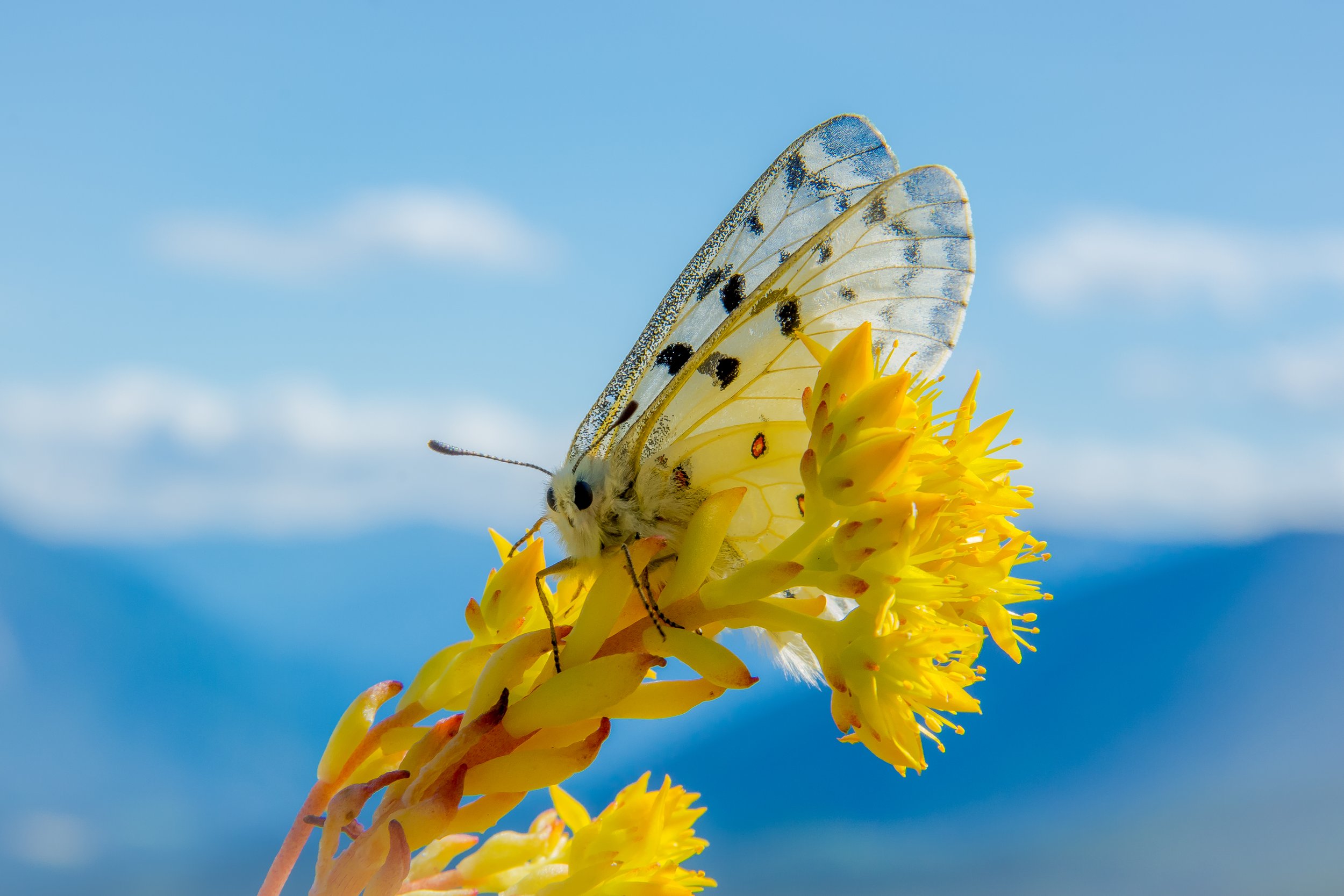
Genomes, landscapes, and the future of insect biodiversity
We are aiming to build the most comprehensive genomic and ecological datasets ever assembled for insect conservation
The MacDonald Lab studies how insect diversity is generated, structured, and maintained across genomes and landscapes. We combine whole-genome sequencing, landscape and environmental modeling, field ecology, and natural history to understand population connectivity, adaptation, evolutionary divergence, and genomic vulnerability. Much of our work focuses on butterflies and other insects of conservation concern, with the goal of producing science that is both evolutionarily interesting and directly useful for conservation. By building large, comparable genomic datasets across species, we also aim to move beyond single-species case studies and identify broader principles that can improve how insect biodiversity is understood and managed.
Research Programme
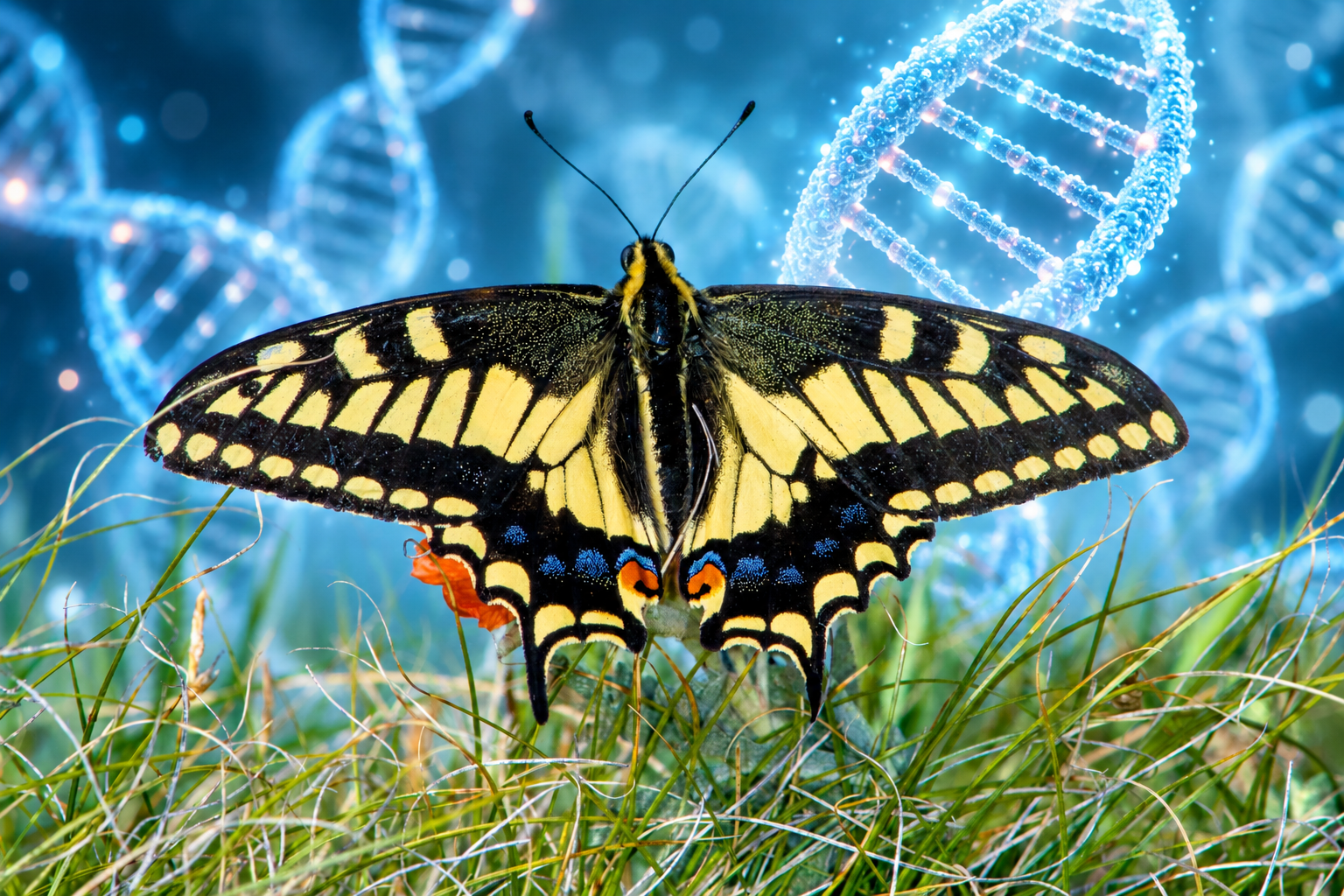
Genomics
We use high-coverage whole-genome sequencing to understand how populations are structured, connected, and changing through time. By resolving genomic diversity, gene flow, demographic history, and adaptation at fine scales, we can identify biologically meaningful conservation units and provide direct evidence for decisions about connectivity, translocations, restoration, and population management.
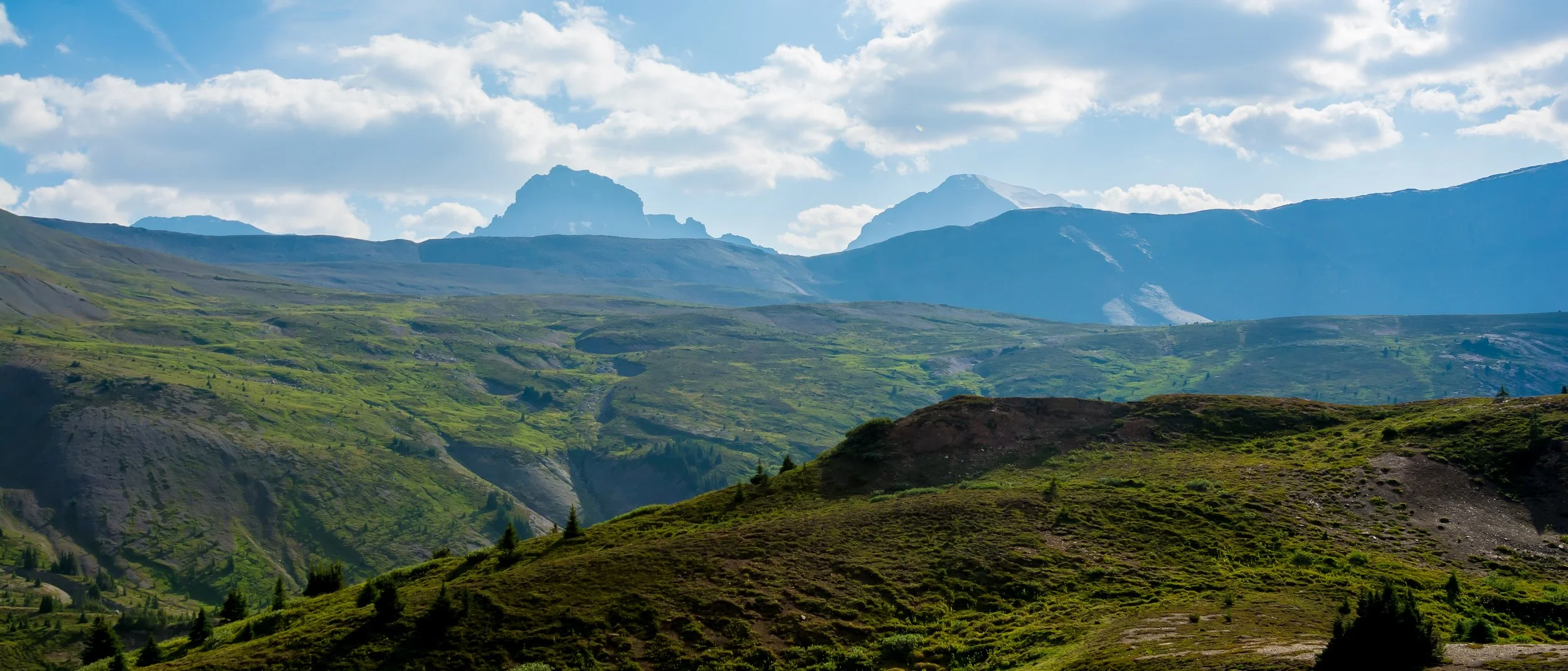
Landscape & ecological modelling
We combine genomic data with species distribution, landscape resistance, climate, and remote-sensing models to understand how environments shape biodiversity across space and through time. These approaches let us move beyond mapping where species occur to identify the processes that maintain connectivity, constrain distributions, and determine how populations are likely to respond to environmental change.
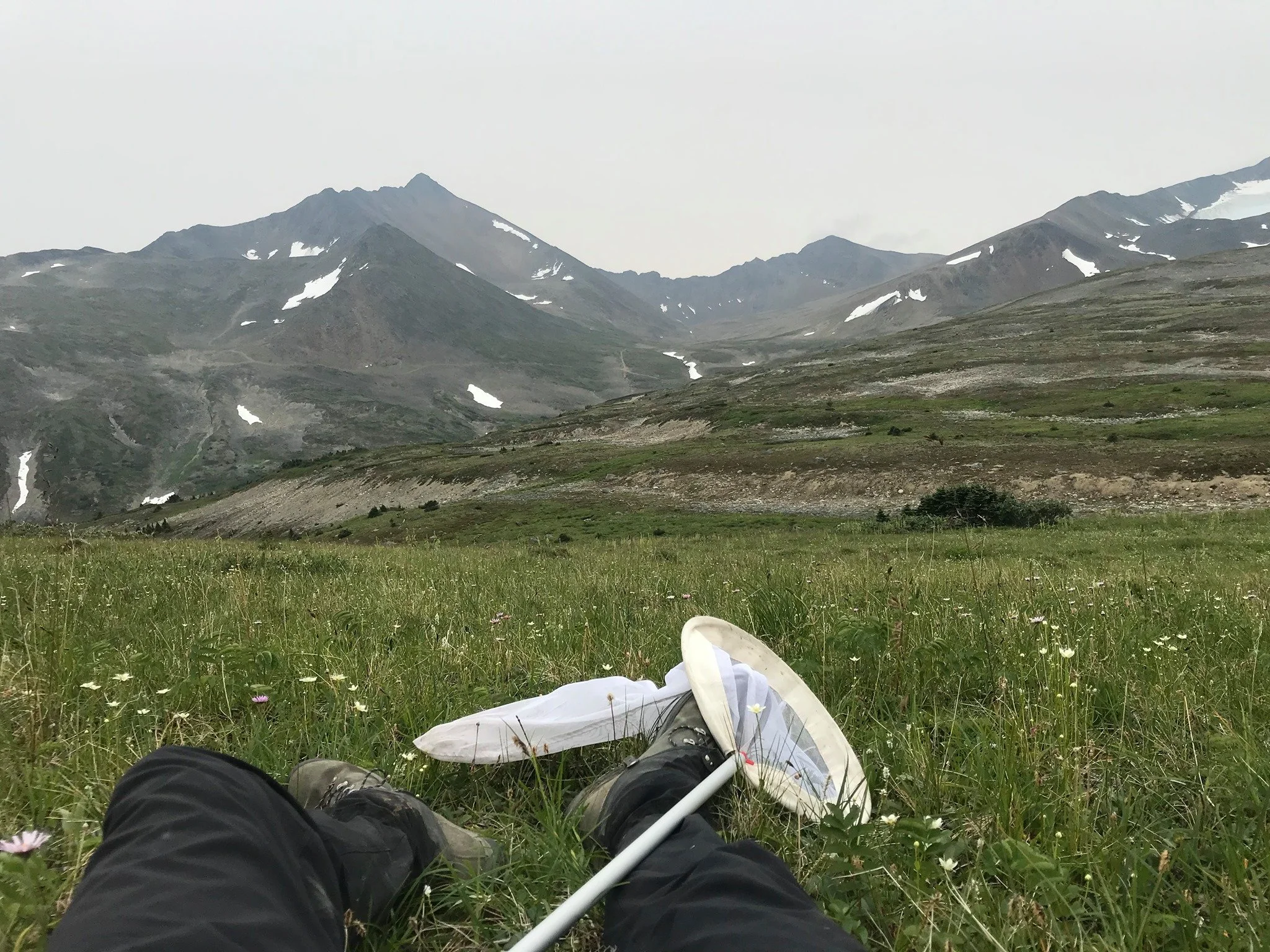
Biodiversity & population monitoring
We use standardized field surveys and long-term monitoring to track populations and biodiversity through time. Repeated observations keep a close pulse on interannual variation and can reveal rapid changes in abundance, distribution, phenology, and habitat use that may take years or decades to become apparent in genomic data. These field datasets complement and inform our genomic work while providing essential inputs for landscape and ecological models, linking changes observed on the ground to the processes shaping populations across space and time.